Cast and engraved bronze plaques begin with the same durable material, but the way the design is created gives each one a distinct appearance.
A cast bronze plaque is made by pouring molten bronze into a mold. It is known for raised lettering, traditional background textures, and sculpted bas-relief artwork. An engraved bronze plaque starts with a solid sheet of bronze. Its lettering, borders, photographs, and other details are precisely cut into the metal.
There is also a third possibility: combining an engraved bronze plaque with a separately made relief sculpture. This gives you dimensional artwork along with the fine detail and design flexibility of engraving.
All three approaches are made in the USA. The right choice depends on the look you want, the detail in your artwork, your budget, and how soon you need the finished plaque.
How is a cast bronze plaque made?
Casting begins with a full-size pattern of the plaque. The raised letters, border, emblems, and other design elements are built into that pattern. A mold is then created, and molten bronze is poured into it.
Once the bronze cools, the plaque is removed from the mold and finished by hand. The result is the traditional appearance many people picture when they think of a bronze plaque: raised lettering set against a recessed, often textured background.
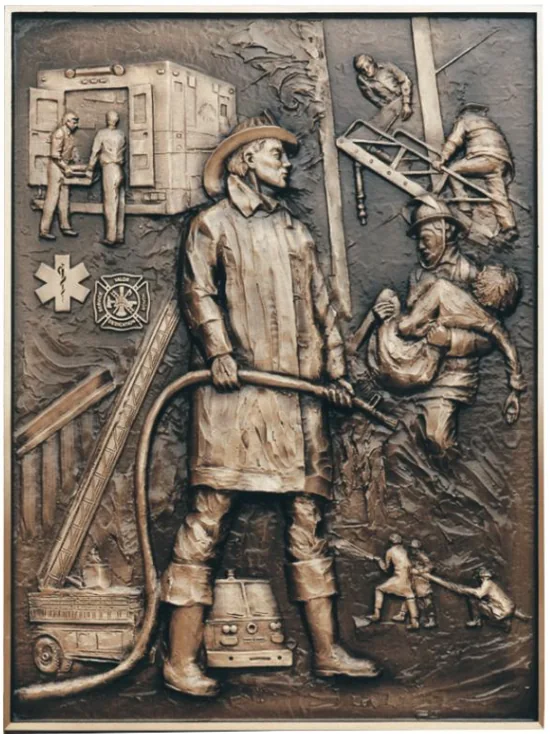
Casting is also the traditional method used for sculpted bas-relief portraits, seals, figures, and emblems.
What is sculpted bas-relief?
The bas-relief shown in the photograph on this page was created by an artist. It was not simply copied or printed from a photograph.
The photograph serves as the artist’s reference. From that image, the artist models the face, clothing, expression, and other important features as a dimensional sculpture. A mold is then made from the completed sculpture so the artwork can be reproduced in bronze.
This hands-on process is what gives traditional bas-relief its depth and character. Highlights, shadows, facial contours, and other forms change naturally as the light moves across the finished bronze.
Because an artist must interpret and sculpt the original photograph, bas-relief requires more time and craftsmanship than flat engraving. It is an excellent choice when the dimensional artwork is meant to be a major part of the tribute.
See our cast bronze plaques for examples of raised lettering and traditional sculpted artwork.
How is an engraved bronze plaque made?
An engraved plaque begins as a solid sheet of bronze. Lettering, borders, logos, signatures, and photographs are machined directly into its surface with precision.
Engraving creates clean edges and can reproduce fine details that may be difficult to achieve through traditional casting. This makes it especially well suited for:
- Detailed photographs
- Small lettering
- Handwritten signatures
- Complex logos and seals
- Multiple images
- Decorative lines and patterns
A photograph can be engraved directly into the bronze without first being recreated as a sculpture. The result is flatter than bas-relief, but it can retain subtle details from the original image.
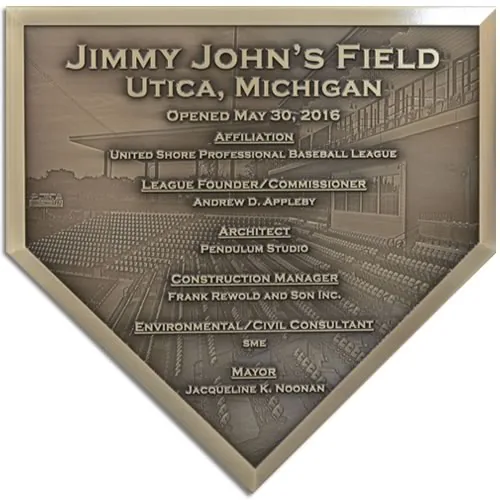
Engraved plaques also offer a great deal of freedom in shape and layout. Our bronze home plate plaques are a good example. The bronze is cut to the outline of the plate itself, and the photograph, the dedication wording, and every credit line are engraved into that surface. The shape does something a rectangle cannot — anyone who has played the game or sat in the stands recognizes it immediately.
What is an engraved relief sculpture?
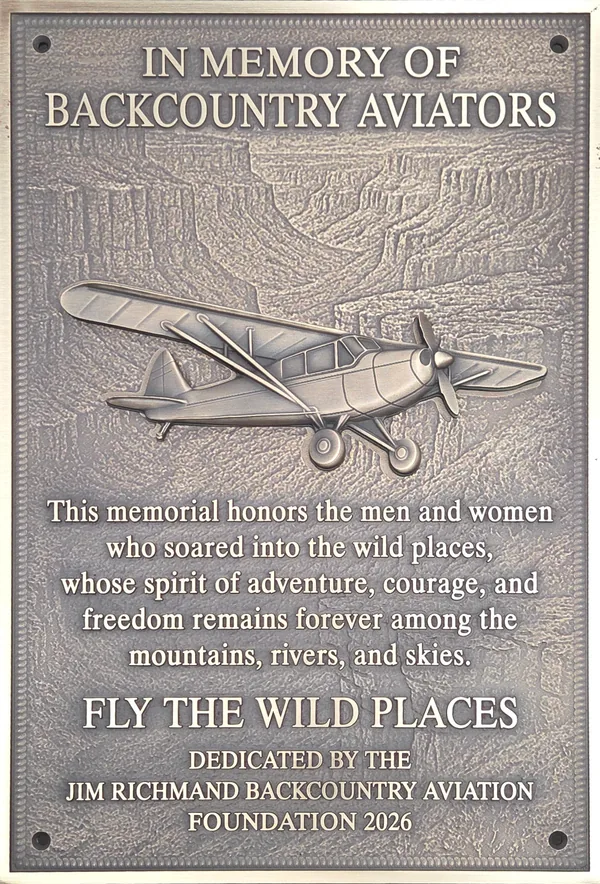
An engraved relief sculpture provides another option when you want both dimension and fine detail.
This artwork is created separately from the main plaque using our precision engraving process. The finished relief is then attached to an engraved bronze plaque. Because the sculpture and plaque are produced as separate elements, we can preserve more detail in the portrait or artwork while still giving it a raised, dimensional presence.
This approach works particularly well when:
- The original photograph contains fine facial or clothing details
- You want a dimensional portrait with precisely engraved text
- The plaque design includes both photographic and sculptural elements
- Traditional cast bas-relief is not the best fit for the source image
- You want more depth than a flat photo engraving provides
It is an effective middle ground between a photograph engraved directly into the plaque and a traditional bas-relief modeled by an artist.
Cast, engraved, and engraved relief compared
| Feature | Cast bronze | Engraved bronze | Engraved plaque with relief sculpture |
|---|---|---|---|
| Lettering | Raised above the background | Cut into the bronze surface | Usually engraved into the main plaque |
| Portrait artwork | Artist-sculpted bas-relief | Photograph engraved directly into bronze | Separate engraved relief attached to the plaque |
| Amount of dimension | Deepest, most sculptural appearance | Mostly flat | Raised and dimensional |
| Fine photographic detail | Interpreted by the sculpting artist | Reproduces fine details directly | Combines fine detail with physical depth |
| Overall look | Traditional and monumental | Crisp, precise, and refined | Detailed, dimensional, and contemporary |
| Typical production time | About eight weeks | About three weeks | Varies with the artwork and design |
| Rush production | Ask about availability | Seven- and 14-day options available | Ask about availability |
| Often chosen for | Building dedications, historic markers, memorials, and sculpted portraits | Photo tributes, donor walls, signatures, detailed layouts, and deadline-driven projects | Portrait tributes requiring both dimension and fine detail |
Can cast and engraved elements be combined?
Yes. You do not always have to choose a plaque that is entirely cast or entirely engraved.
An engraved bronze plaque can include a separate relief portrait, dimensional emblem, or other applied bronze element. This allows the wording and fine design details to remain crisp while the main artwork stands out from the surface.
A hybrid design can be especially useful when a plaque includes a portrait, a large amount of text, signatures, several logos, or other details that would be difficult to reproduce together through casting alone.
We recommend the production method after reviewing the complete design rather than forcing every project into a single category.
Which type of bronze plaque should you choose?
Choose cast bronze when you want:
- A traditional architectural appearance
- Raised lettering and a textured background
- A memorial that feels substantial and monumental
- A portrait or emblem sculpted by an artist
- Deep relief that can be seen and felt
Choose engraved bronze when you want:
- A photograph reproduced directly in bronze
- Fine lettering, signatures, or intricate artwork
- A custom shape or detailed layout
- A shorter production schedule
- A crisp, precise appearance
Consider an engraved plaque with an attached relief sculpture when you want:
- A portrait with both dimension and fine detail
- Engraved lettering paired with raised artwork
- More depth than standard photo engraving
- A flexible layout combining different types of artwork
If you are unsure, send us the photograph, wording, preferred size, and installation details. We will explain which process is best suited to the artwork and show you a concept drawing before production begins.
Let us help you compare the options
The best process is the one that communicates the story clearly and produces the appearance you want. Sometimes that is traditional cast bronze. Sometimes it is detailed engraving. In other cases, combining an engraved plaque with a relief sculpture gives the project the best qualities of both.
Every customer receives a proof for approval before production, so you will see the proposed layout and understand how the artwork will be produced before committing to the order.
Related pages: Cast bronze plaques · Custom bronze plaques · Custom bronze plaque pricing · Honoring a coach with a custom bronze plaque
About K Bronze — K Bronze Plaques & Metal Letters makes custom bronze plaques and metal letters in Danville, Illinois. For more than 15 years, schools, municipalities, churches, organizations, and businesses have trusted us to create lasting dedications, memorials, and tributes. Learn more about K Bronze or request a quote.